
Since 2023
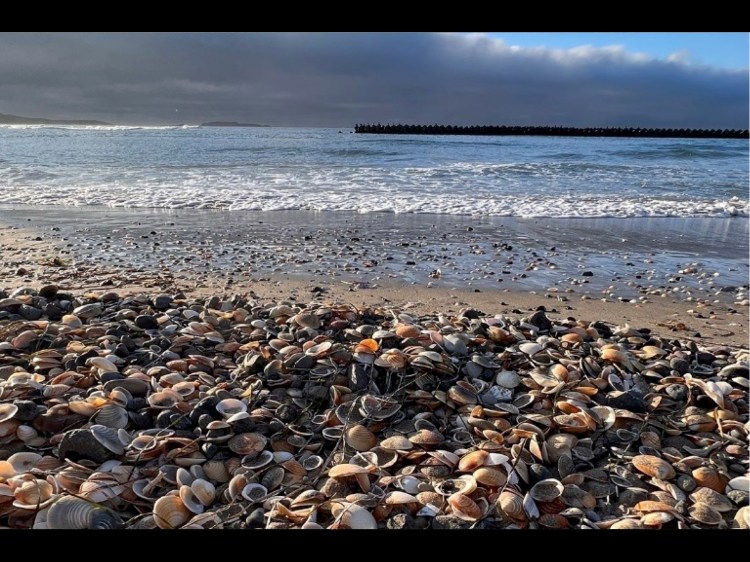
二枚貝遺物による北海道の文化変遷および暮らしを支えた気候・海洋環境の高解像度解析
The cultural transition of Hokkaido and climate and marine environment in the archive of the shell remains
PI: Atsuko Yamazaki, Tsuyoshi Watanabe
北海道は、北方の人類の集団・移住・拡散の基点となっており、その動態を捉えるのに重要です。完新世においては、日本列島を北上・南下する集団移動の影響を受けながら、先史人類の集団の移動とその文化の形成が行われてきました。その移住や文化の変遷は、遺跡から発掘される遺物の変化や、遺物の年代測定等より明らかになってきています。
特に、北海道の礼文島は、北海道を代表する先史文化の変遷を示す遺跡が累重し、一連の遺跡として観察することが可能です。本研究は、高時間解像度の古環境指標であり、当時住んでいた人々によって採集された二枚貝試料を用いて、3500年前から現在にかけての当時の気候・海洋環境を詳細に復元し、礼文島を居住地とする人々がなぜ移住し、また文化が入れ替わってきたのか、その背景となった環境の変遷を明らかにすることを目的としています。
具体的には北海道の気候に強く影響を与える冬季モンスーンおよび対馬海流の強度を捉えるために、当時の水温とその季節変動、沿岸の漁業資源量を推定可能にする栄養塩濃度、二枚貝の採集時期の推定を実施し、沿岸の環境変化と当時の人々の生活・文化を直接対比しようとしています。先史文化の転換点における居住様式・生業活動と、二枚貝から復元される高時間解像度(季節)の古環境を直接比較することにより、環境の変化が文化にもたらした影響を議論し、人間活動と環境変動の相関性のモデルの構築に貢献します。
Hokkaido is important for understanding the dynamics of northern human settlement, migration, and dispersal. During the Holocene, prehistoric human populations’ migration and their cultures’ formation were influenced by group migrations north and south across the Japanese archipelago. Changes in migration and cultural transitions have been elucidated through excavating artifacts from ruins and the dating of artifacts.
In particular, Rebun Island in Hokkaido, Japan, represents the transition of prehistoric culture in Hokkaido and can be observed as a series of archaeological sites. This study aims to reconstruct the climatic and marine environment from 3,500 years ago using paleoclimate archives in bivalve remains and to clarify why culture has changed. Specifically, we estimate the strength of the winter monsoon and the Tsushima Current, which strongly influence the climate of Hokkaido, and nutrient concentrations, which allow us to estimate coastal fishery resources, and the timing of shellfish harvesting, in order to directly contrast coastal environmental changes with the lifestyle and culture of people at the turning points of prehistoric cultures with the high temporal (seasonal) resolution paleoenvironment reconstructed from bivalves. We will discuss the impact of environmental change on culture and contribute to the development of a model for the correlation between human activities and environmental change.
最新ニュース



 名古屋大学サンゴ礁地球環境学研究室